 Cash
Cash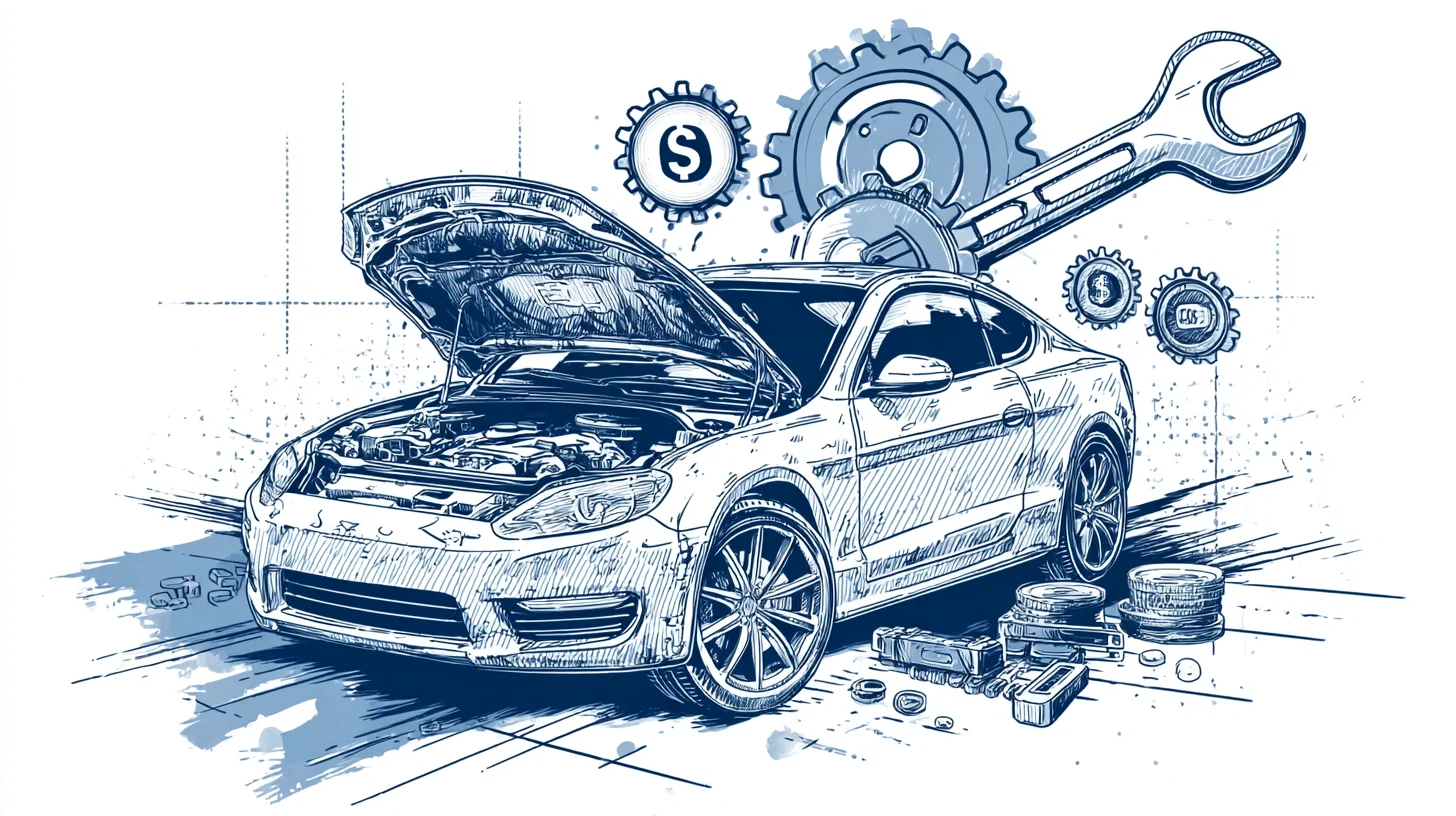
Handling Unexpected Repair Costs
Vehicle breakdowns rarely announce themselves in advance, and the resulting repair bills can range from inconvenient to devastating depending on the nature and severity of the mechanical failure. Transmission repairs, engine overhauls, brake system replacements, and electrical system diagnostics routinely cost between one and five thousand dollars — expenses that many households cannot absorb from existing savings without significant financial disruption.
For millions of Americans, reliable transportation is not a luxury but a prerequisite for maintaining employment, accessing healthcare, managing childcare logistics, and fulfilling daily responsibilities. When your vehicle is inoperable, every day without repair represents lost income, increased transportation costs through alternative means, and compounding inconvenience that affects your entire household.
An auto repair loan through Cash Time Center provides targeted funding from $500 to $5,000 to address vehicle repairs promptly. Rather than delaying essential maintenance and risking further damage or safety hazards, a dedicated loan allows you to authorize repairs immediately and repay the cost through structured monthly installments that fit within your ongoing budget.
New Parts vs. Refurbished Components
The choice between new OEM parts, aftermarket parts, and refurbished components significantly affects repair cost. Remanufactured transmissions, alternators, and starters can cost forty to sixty percent less than new units while delivering comparable performance backed by warranty coverage.
Regardless of which parts you select, ensure your shop provides documentation of all components installed including part numbers and warranty terms. This supports future claims if components fail prematurely.
Making Smart Repair Decisions
Before committing to expensive repairs, obtain at least two independent estimates from reputable mechanics. Price variation between shops can be substantial for identical work, and a second opinion may identify less costly repair approaches or confirm that the recommended service is genuinely necessary. Your repair loan funds should be allocated to work that has been properly vetted and priced.
Prioritize safety-critical repairs over cosmetic or comfort-related maintenance when your budget is constrained. Brake systems, steering components, tire integrity, and lighting functionality directly affect your safety and the safety of others on the road. Addressing these items first ensures your vehicle meets basic operational standards while less urgent maintenance can be scheduled as budget allows.
Preventing Future Repair Emergencies
After addressing your current repair need, consider establishing a vehicle maintenance fund that receives small regular contributions from your monthly budget. Even modest deposits of thirty to fifty dollars monthly accumulate into a meaningful buffer over the course of a year, reducing or eliminating the need to borrow for future mechanical issues. Combining proactive savings with preventive maintenance schedules significantly reduces the frequency and cost of unexpected vehicle repairs.
Keeping Your Vehicle Road-Ready
Your vehicle is more than transportation — it is the connection between your home, your workplace, your children's schools, your healthcare providers, and every other destination that defines your daily life. When that connection is broken by mechanical failure, the ripple effects touch every aspect of your routine. An auto repair loan restores that connection quickly, preventing a vehicle problem from becoming a life disruption.
Do not let an unexpected repair bill keep you off the road longer than necessary. Cash Time Center connects you with lending partners who understand the urgency of vehicle repairs and offer fast processing to minimize your downtime. Apply now and get back to the places and people that depend on your mobility.
Essential Guidance for Vehicle Repair Financial Management
Proactive vehicle maintenance significantly reduces both the frequency and severity of unexpected repair expenses. Following manufacturer-recommended service intervals for oil changes, fluid replacements, brake inspections, tire rotations, and timing belt replacements catches potential problems before they escalate into major failures. The cumulative cost of preventive maintenance is almost always less than the expense of emergency repairs caused by neglected upkeep.
Developing a relationship with a trusted mechanic before emergencies occur provides advantages that extend beyond repair quality. Established customers often receive priority scheduling during busy periods, honest assessments of repair urgency, and occasionally preferential pricing. This relationship also provides a reliable second opinion resource when facing major repair recommendations from other facilities.
Modern vehicles incorporate increasingly sophisticated diagnostic systems that alert drivers to developing problems before catastrophic failure occurs. Dashboard warning lights, unusual sounds, changes in handling characteristics, and fluid leaks all represent communication from your vehicle about its condition. Responding promptly to these signals with diagnostic evaluation and appropriate repair prevents small issues from becoming expensive emergencies.
Regular fluid checks, belt inspections, and tire pressure monitoring represent minimal investments that prevent disproportionately expensive failures downstream. Treating your vehicle as a system that requires periodic attention rather than a device that operates indefinitely without maintenance fundamentally changes your relationship with automotive expenses.
Preventing the Next Breakdown
Use your current repair experience as a catalyst for establishing a preventive maintenance routine that reduces the likelihood of future expensive surprises. Following your vehicle manufacturer's recommended service intervals for oil changes, fluid replacements, tire rotations, and brake inspections catches developing problems before they escalate into the kind of major failures that demand emergency financing.
Document all maintenance and repairs in a dedicated vehicle log that tracks dates, mileage, work performed, parts installed, and costs incurred. This history helps mechanics diagnose future issues more efficiently, supports warranty claims on previously installed parts, and demonstrates responsible vehicle ownership if you eventually sell or trade the vehicle.
Vehicle maintenance represents an ongoing responsibility that responsible ownership demands regardless of the vehicle's age or current condition. Addressing repair needs promptly through appropriate financing preserves both the vehicle's operational reliability and its resale value, protecting your overall financial position.
Cash Time Center connects borrowers with lending partners who understand the time-sensitive nature of vehicle repair financing. Our application process is designed for the urgency that unexpected mechanical failures create, providing approval decisions and funding timelines that align with the immediate transportation needs driving your repair urgency.
Choosing the Right Repair Shop
Selecting a trustworthy mechanic is as important as securing the funds to pay for repairs. Look for shops certified by recognized industry organizations, which indicate that technicians have met standardized competency requirements. Online reviews from verified customers provide additional insight into the quality and honesty of a repair facility, though individual experiences can vary.
Always request a written estimate before authorizing work, and ensure the estimate itemizes both parts and labor separately. This breakdown allows you to verify component pricing independently and understand exactly what you are paying for. Reputable shops provide detailed estimates willingly and contact you for approval before performing any work that exceeds the original quote by a meaningful amount.
Ask about warranty coverage on both parts and labor before agreeing to repairs. Quality shops stand behind their work with warranties that protect you from paying twice for the same repair if components fail prematurely or installation issues arise after you leave the facility. A lack of warranty coverage is a significant concern that may indicate the use of inferior parts or insufficient confidence in workmanship quality.
For major repairs exceeding one thousand dollars, consider obtaining a second diagnostic opinion before committing. While most mechanics are ethical professionals, the complexity of modern vehicles means diagnostic interpretations can differ between technicians, and a second perspective may identify a less expensive repair path or confirm that the recommended service is genuinely necessary and appropriately priced.
Your auto repair loan funds represent a targeted investment in your vehicle's functionality and your transportation independence. Allocating those funds to a qualified, transparent repair facility ensures you receive lasting value from the work performed and avoids the frustration of repeat repairs caused by substandard parts or workmanship that waste both your money and your time.
Understanding Common Repair Costs
Major automotive repairs vary widely in cost depending on the vehicle make, model, age, and the specific component requiring attention. Transmission rebuilds typically range from fifteen hundred to four thousand dollars. Engine repair or replacement can cost two thousand to five thousand dollars or more. Brake system overhauls including rotors, pads, and calipers generally fall between five hundred and fifteen hundred dollars for a complete service across all four wheels.
Electrical system diagnostics and repairs represent an increasingly significant expense category as modern vehicles incorporate more electronic control modules and sensor networks. A single failed sensor can trigger cascading warning lights and performance issues that require professional diagnostic equipment to identify and resolve. Labor rates for electrical work tend to exceed general mechanical repair due to the specialized training and equipment involved.
Suspension and steering repairs affect ride quality, tire wear, and vehicle handling safety. Worn struts, damaged control arms, failing tie rods, and degraded bushings collectively influence driving stability and can accelerate wear on other components if left unaddressed. Complete suspension overhauls range from one thousand to three thousand dollars depending on the vehicle type and the extent of component replacement needed.
Air conditioning system repairs represent another common expense, particularly in warmer climates where the system operates continuously for months. Compressor replacement, refrigerant recharge, and condenser repair can cost between five hundred and two thousand dollars. While not a safety-critical system, air conditioning functionality affects driver alertness and passenger comfort significantly, making it a legitimate repair priority for many vehicle owners.
Ready to Secure Your Personal Loan?
Apply in minutes and receive a decision fast. Loan amounts from $500 to $5,000 with competitive terms.
Start Your Application